
RCO Equipment Pretreatment Selection: How to Choose Between Dry Filtration and Wet Scrubber
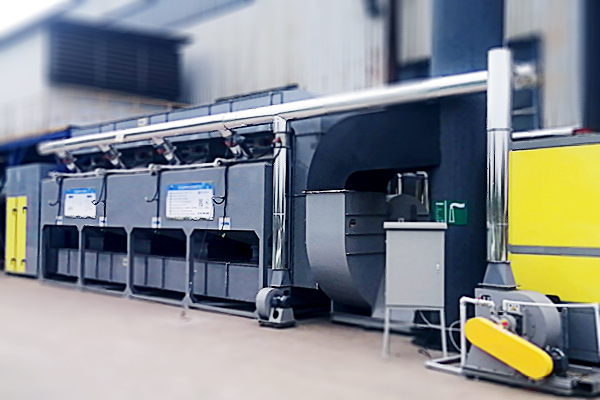
When implementing a Regenerative Catalytic Oxidizer (RCO) system for volatile organic compounds (VOCs) treatment, one critical decision often determines the success of the entire operation: selecting the right pretreatment method. Should you invest in a dry filtration system or a wet scrubber? This choice directly impacts maintenance costs, system uptime, and overall destruction efficiency. In this comprehensive guide, we will analyze the technical principles, application scenarios, and economic considerations of both approaches, helping you make an informed decision for your facility.
Why Pretreatment Matters in RCO Systems
Pretreatment protects the RCO catalyst and heat exchange media from particulate matter, sticky substances, and corrosive components. Without proper pretreatment, even the best RCO equipment will experience accelerated catalyst deactivation, increased pressure drop, and frequent shutdowns. Zhengzhou Puhua Technology, a manufacturer specializing in RCO catalytic combustion devices, dust control systems, and VOCs treatment solutions, emphasizes that pretreatment is not an add-on but a necessity for long-term stable operation.
Overview of Two Pretreatment Technologies
Before diving into the selection criteria, let us define the two primary methods.
Dry Filtration: Uses filter media such as fiberglass, polyester, or cellulose to capture solid particles and aerosols. Common configurations include bag filters, cartridge filters, and multilayer graded filtration.
Wet Scrubber: Employs liquid (usually water or a chemical solution) to capture particles and soluble gases through impaction, diffusion, or absorption. Typical designs include spray towers, venturi scrubbers, and packed bed scrubbers.
Comparative Analysis: Dry Filtration vs. Wet Scrubber for RCO Pretreatment
The table below summarizes the key differences between the two technologies. Use it as a quick reference for initial screening.
| Parameter | Dry Filtration | Wet Scrubber |
|---|---|---|
| Target pollutants | Dry particulate matter, dust, fibers | Sticky particles, water-soluble VOCs, acidic gases |
| Removal efficiency for PM2.5 | High (up to 99% with fine filters) | Moderate (depends on pressure drop and droplet size) |
| Handling of sticky or oily particles | Poor (causes filter blinding) | Good (particles are flushed away) |
| Gas stream temperature | Typically below 150°C | Can handle higher temperatures with quench |
| Water consumption | None | High; requires wastewater treatment |
| Secondary waste | Solid filters (can be disposed or incinerated) | Contaminated water slurry |
| Pressure drop | 500–2000 Pa | 1000–3000 Pa (venturi much higher) |
When to Choose Dry Filtration
Dry filtration is the preferred choice for applications with low humidity, non-sticky dust, and no soluble gaseous components. Many facilities producing wood dust, plastic pellets, metal powders, or dry chemical powders will find dry filtration reliable and cost-effective.
Advantages of Dry Filtration
No water usage or wastewater disposal issues
Lower risk of corrosion
Simple operation – no chemical dosing or pH control
Easy to integrate with explosion protection systems
Limitations to Consider
Filter cartridges require regular replacement
Not suitable for sticky or hygroscopic dust
Poor performance at high gas velocities or fluctuating loads
For a typical RCO device treating dry exhaust from a coating line (without wet paint overspray), a three-stage dry filtration system (e.g., G4 + F7 + H9) is often sufficient to protect the catalyst. Zhengzhou Puhua Technology designs such graded filtration units for many manufacturing customers, achieving stable outlet particle concentrations below 1 mg/Nm³.
When to Choose a Wet Scrubber
Wet scrubbing becomes necessary when the exhaust contains sticky particles (e.g., oil mist, tar, adhesive residues), water-soluble organics (e.g., alcohols, ketones), or acidic gases (e.g., HCl, SO₂). It is also a robust solution for high-temperature or high-humidity gas streams.
Advantages of Wet Scrubbing
Handles sticky and wet particles without fouling
Simultaneous removal of particulate and soluble gases
Cooling and humidification effect reduces fire risk
No disposable filter media waste
Limitations to Consider
Higher upfront capital investment
Ongoing water treatment and sludge disposal costs
Potential for corrosion (requires stainless steel or plastic construction)
Increased exhaust moisture – may require a demister before RCO
Facilities processing printing inks, synthetic leather, or pharmaceutical extraction often rely on wet scrubbers upstream of RCO equipment. The scrubber prevents sticky aerosols from reaching the ceramic media, thus avoiding irreversible pressure drop increases.
Hybrid Pretrainment Solutions
Some applications benefit from a combined approach. For example, a venturi scrubber followed by a chevron demister and a dry polishing filter achieves both high particle removal and gas solubility control. However, this increases system complexity and maintenance. Always conduct a cost-benefit analysis before designing a hybrid layout.
Key Selection Criteria: A Step-by-Step Decision Guide
Use the following process to decide between dry filtration and wet scrubber for your RCO pretreatment.
Analyze the exhaust composition. Identify particulate type (dry vs. sticky), concentration, size distribution, and presence of soluble gases.
Measure temperature and relative humidity. High moisture may condense in dry filters, causing failure.
Evaluate water availability and discharge limits. If water is scarce or wastewater treatment is expensive, lean toward dry filtration.
Consider fire or explosion risks. Some fine dusts (aluminum, organic dust) are explosive; dry filtration may need deflagration venting.
Calculate total cost of ownership (TCO). Include media replacement, water treatment, energy consumption, and disposal fees.
Case Study: Avoiding Common Pitfalls
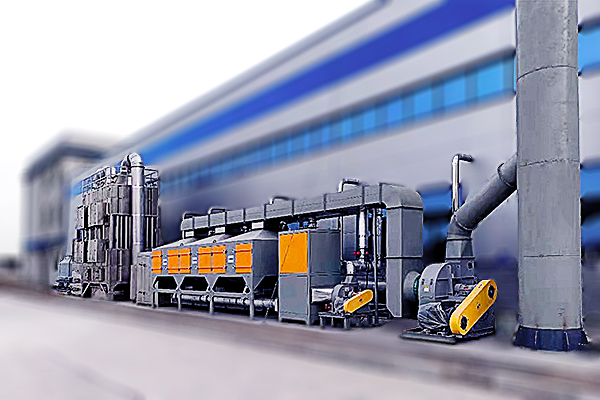
A mid-size adhesive tape manufacturer initially installed a dry filtration system for their RCO unit. Within three weeks, the filters became completely blocked by tacky organic aerosols. The pressure drop tripled, and the RCO fan tripped repeatedly. After consulting with Zhengzhou Puhua Technology, they replaced the dry filters with a packed tower wet scrubber equipped with a mist eliminator. The system has since operated for 18 months without unplanned downtime. This example shows that the wrong pretreatment selection can quickly negate the benefits of RCO technology.
Maintenance and Operational Considerations
Whichever technology you choose, a structured maintenance plan is essential.
For dry filtration: Monitor differential pressure daily. Replace pre-filters every 1-3 months and fine filters every 6-12 months, depending on dust load. Always keep spare cartridges onsite.
For wet scrubber: Check spray nozzles weekly for clogging. Control pH and blowdown rate. Inspect demister blades for fouling. Treat removed sludge as hazardous waste if it contains organic solvents.
Zhengzhou Puhua Technology provides both types of pretreatment solutions as integrated modules for their RCO catalytic combustion equipment. Their engineering team can simulate your exhaust conditions to recommend the most reliable option, whether it is a pulse-jet cartridge filter or a corrosion-resistant spray tower.
Conclusion: Make a Site-Specific Decision
There is no universal answer to the dry filtration versus wet scrubber question. For clean, dry dust applications, dry filtration offers simplicity and lower operating costs. For sticky particles, soluble gases, or variable loads, a wet scrubber provides robustness and continuity. By honestly assessing your exhaust characteristics and long-term budget, you can protect your RCO investment and achieve stable VOC destruction efficiency above 98%.
If your facility is evaluating RCO equipment or struggling with existing pretreatment performance, contact Zhengzhou Puhua Technology for a tailored assessment. With extensive experience in dust collectors, RTO devices, desulfurization towers, and advanced VOCs treatment systems, they deliver pretreatment solutions that match real-world industrial needs.
Related Articles
-
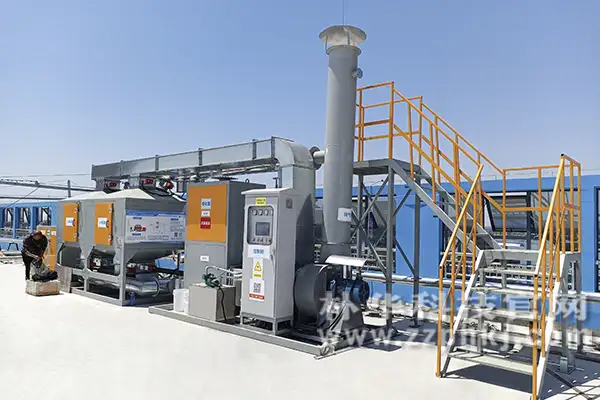
Zeolite Fixed Bed+Catalytic Combustion Equipment (RCO)
[list:visits]
-
Resin desorption+condensation recovery equipment
[list:visits]
-
Cooking oil fume purifier
[list:visits]
Subscribe to Our Newsletter
Stay updated with the latest news and insights from Puhua Tech.