
5 Key Data Points You Must Measure On-Site Before TO Equipment Selection and Quoting
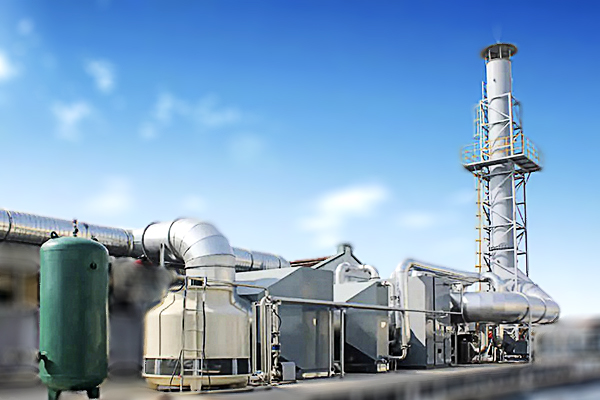
Selecting the right technical equipment (TO) for your industrial process is a high-stakes decision. Quoting based solely on theoretical specifications often leads to budget overruns, operational inefficiency, and costly retrofits. At Zhengzhou Puhua Technology, we have seen how on-site measurement directly impacts equipment performance. This guide outlines the five critical data points you must verify in the field before finalizing any TO equipment selection or preparing a quote.
Why On-Site Measurement Is Non-Negotiable for TO Equipment Selection
Every industrial environment carries unique variables. Airflow, dust concentration, temperature, humidity, and spatial constraints differ significantly from design assumptions. Without field-verified data, your TO equipment selection risks underperformance or oversizing. For reliable quoting and long-term operation, these five on-site measurements are essential.
1. Actual Airflow Rate and Static Pressure
The most frequent cause of equipment failure is incorrect airflow data. Many projects rely on fan nameplate ratings or original design documents, but actual operating conditions change due to duct modifications, filter loading, or process changes.
What to measure: Air velocity (m/s) at multiple duct cross-sections, static pressure (Pa) before and after key components.
Recommended method: Use a calibrated pitot tube or thermal anemometer following EPA or ISO standards.
Consequence of missing data: Undersized ducts cause excessive pressure drop; oversized fans waste energy.
For dust control systems like pulse dust collector or bag filter equipment, accurate airflow ensures proper filter velocity and prevents bag blinding or premature failure.
2. Dust or Pollutant Concentration at Source
Understanding the true pollutant load is fundamental for TO equipment selection, especially for dust removal equipment, VOCs treatment equipment, or desulfurization equipment. Laboratory analysis alone is insufficient due to varying production cycles.
| Parameter | Typical Range (Example) | Impact on Equipment Sizing |
|---|---|---|
| Inlet dust concentration (mg/m³) | 500 – 50,000 | Determines hopper size, cleaning frequency, filter area |
| Particle size distribution (μm) | 0.5 – 500 | Selects between RCO catalytic combustion equipment or cyclone pre-filter |
| Moisture & temperature | 20°C – 200°C, RH 10% – 80% | Affects insulation, material corrosion resistance, condensation risk |
For organic waste gas, measure NMHC (non-methane hydrocarbon) concentration. This directly influences RTO equipment sizing for thermal oxidation or RCO equipment for catalytic processes.
3. Operating Temperature and Humidity Profile
Temperature extremes and moisture fluctuations degrade equipment components. A one-time measurement is not enough. You need a profile across a full production cycle.
Key actions: Log temperature every 15 minutes over 24–48 hours at the extraction point and near the proposed equipment location.
Special attention: Sudden spikes from batch processes or cleaning cycles.
Equipment implications: High moisture demands corrosion-resistant materials in desulfurization equipment or denitrification equipment. High temperature requires insulation or cooling before VOCs treatment equipment.
At Zhengzhou Puhua Technology, field engineers often find that actual peak temperatures exceed design documents by 30–40°C, leading to revised material specifications in quotes.
4. Installation Space and Maintenance Access
Physical dimensions are often overlooked until delivery. Many production facilities have limited ceiling height, narrow passageways, or existing equipment that restricts placement.
Checklist for on-site spatial measurement:
Clearance above the equipment for bag change or catalyst replacement.
Doorway width and turning radius for mobile dust collector units or modular RCO catalytic combustion equipment.
Foundation load capacity for heavy units like RTO equipment or large pulse dust collector.
Distance to electrical panel and compressed air supply for diaphragm valves on pulse jet systems.
Spatial constraints directly affect TO equipment selection. For example, a low ceiling may force a horizontal cartridge collector instead of a tall baghouse. Always note these in your quote request.
5. Existing Utility Capacities (Electricity, Compressed Air, Water)
Even perfectly sized equipment fails if utilities are insufficient. New TO equipment often adds load to existing systems. On-site measurement prevents surprises.
Electrical: Measure available amperage at the proposed connection point. Record voltage stability during peak production.
Compressed air: For pulse dust collector and RCO equipment valve actuation, measure pressure (typically 5–7 bar) and flow rate (L/s). Low pressure causes poor cleaning.
Water: For desulfurization equipment and wet scrubbers, verify flow rate, pH, and hardness.
Zhengzhou Puhua Technology recommends including utility verification in your on-site survey. Undersized air compressors are a common hidden cost in TO equipment selection and quoting.
How Zhengzhou Puhua Technology Supports Your On-Site Data Collection
Zhengzhou Puhua Technology is an established environmental equipment manufacturer in Henan Province, specializing in the design and production of dust removal equipment, desulfurization equipment, denitrification equipment, VOCs organic waste gas treatment equipment, pneumatic conveying equipment, and wastewater treatment equipment. Our product range includes bag filter, RCO catalytic combustion equipment, RTO equipment, VOCs treatment equipment, desulfurization tower, denitrification equipment, photocatalytic oxidation equipment, pulse dust collector, mobile dust collector, ultra-low emission equipment, and wastewater treatment equipment.
Our engineering team provides on-site measurement guidance, helping you gather these five critical data points before any TO equipment selection and quoting. This approach ensures accurate sizing, reduced risk, and predictable operational costs.
Ready to improve your TO equipment selection accuracy? Begin your next project with an on-site survey using the five data points above. For professional support, contact Zhengzhou Puhua Technology for field-tested solutions tailored to your conditions.
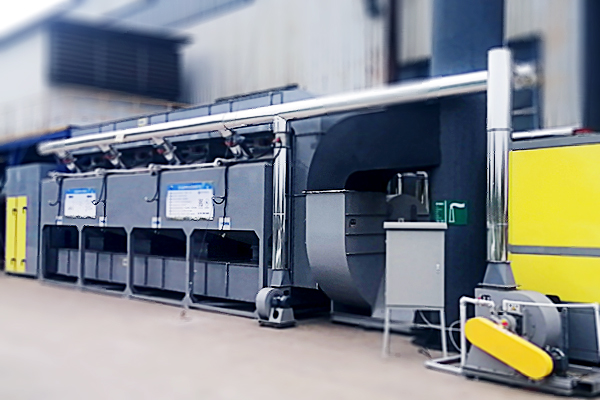
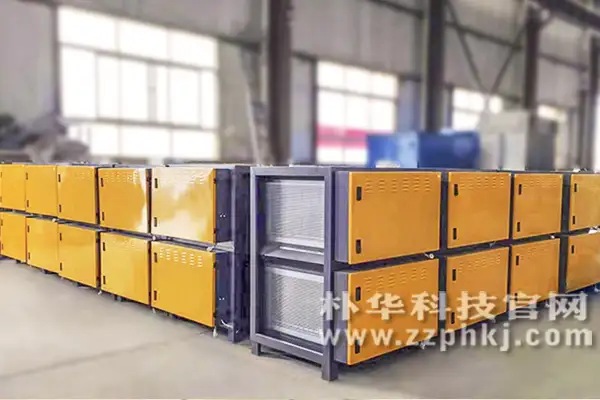
On-site airflow measurement for accurate TO equipment selection and quoting.
Related Articles
-
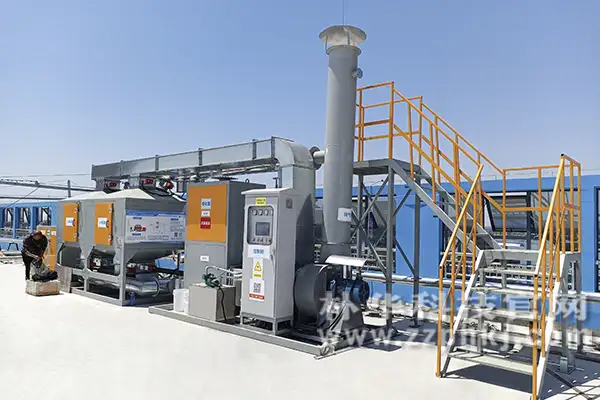
Zeolite Fixed Bed+Catalytic Combustion Equipment (RCO)
[list:visits]
-
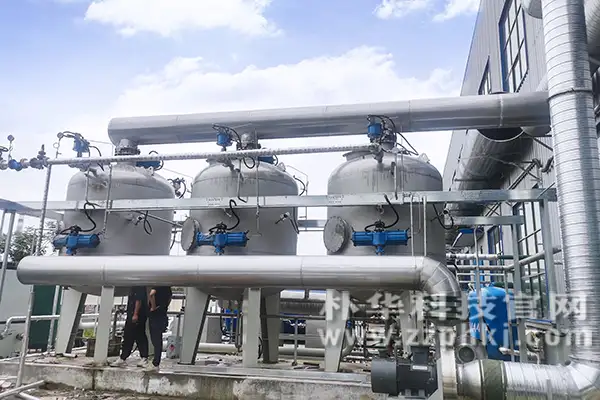
Resin desorption+condensation recovery equipment
[list:visits]
-
Cooking oil fume purifier
[list:visits]
Subscribe to Our Newsletter
Stay updated with the latest news and insights from Puhua Tech.