
For Batch Chemical Plants: RCO or RTO? A Practical Guide to Choosing the Right Combustion System
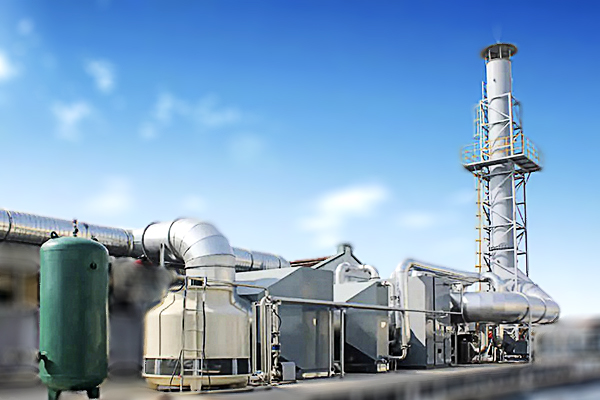
For facility managers and EHS engineers operating batch chemical processes, selecting the right volatile organic compounds (VOCs) abatement system is a critical decision. The wrong choice leads to excessive fuel bills, frequent maintenance shutdowns, and compliance risks. Two leading technologies are regenerative thermal oxidizers (RTO) and regenerative catalytic oxidizers (RCO). This article provides a data-driven comparison to help batch plants make an informed selection.
Understanding the Core Difference: Thermal vs. Catalytic Oxidation
Both RTO and RCO systems destroy VOCs through high-temperature oxidation. However, the operating temperature sets them apart. A typical RTO destroys VOCs at 815-980°C using ceramic heat exchange media. An RCO lowers this threshold to 300-500°C by utilizing a precious metal catalyst. This temperature gap directly impacts fuel consumption, especially during low-concentration or intermittent batch operations.
Key Evaluation Criteria for Batch Chemical Production
Batch processes release VOCs in variable volumes, concentrations, and compositions. Unlike continuous petrochemical plants, batch facilities experience start-stop cycles, solvent loading peaks, and occasional halogenated compounds. Below are the decisive factors when comparing RCO catalytic combustion equipment and RTO equipment for such dynamic environments.
1. Energy Efficiency at Low or Fluctuating VOC Loads
In batch idle periods, a traditional RTO maintains its high bed temperature by burning auxiliary fuel, resulting in significant natural gas consumption. An RCO, operating 200-400°C lower, requires substantially less supplementary fuel. For facilities with average inlet VOC concentrations below 3-4 g/Nm³, an RCO often reduces annual energy costs by 30-50%.
2. Destruction Efficiency and Compliance Margin
Modern RTOs achieve 98-99% destruction removal efficiency (DRE). RCOs also reach 95-98% DRE. When regulations require a 95% minimum, both work. However, for applications needing 98%+ or handling recalcitrant compounds, RTO provides a wider safety margin, as it does not depend on catalyst activity.
3. Catalyst Poisoning Risk from Batch Chemicals
Many batch plants process silicones, sulfur-containing compounds, phosphates, or heavy metals. These substances irreversibly poison noble metal catalysts in an RCO. If your product mix cannot guarantee poison-free exhaust, an RTO is the robust choice. For clean solvent streams from distillation or storage tank venting, RCO is highly suitable.
Head-to-Head Comparison: RCO vs. RTO for Intermittent Operation
CriteriaRCO (Catalytic Oxidizer)RTO (Thermal Oxidizer)Typical operating temperature300 - 500°C815 - 980°CAnnual fuel use (low-load batch plant)Low to moderateHighResistance to catalyst poisonsLow (requires gas pretreatment)High (no catalyst)Start-up time from cold~30-60 minutes~90-120 minutesDRE for typical solvents95-98%98-99%Maintenance complexityCatalyst replacement every 3-5 yearsCeramic media replacement every 8-10 years
When to Choose RCO Catalytic Combustion Equipment
The VOC stream is relatively clean and free of halogens, sulfur, or silicon.
Inlet concentrations consistently remain below 3-4 g/Nm³, favoring energy savings over higher DRE.
Natural gas price is high, and a 1-2 year payback on lower fuel bills is acceptable.
Multiple start-stop cycles per day (RCO’s faster thermal response).
You already use baghouse pre-filtration to remove particulate matter.
In such scenarios, an RCO integrated with a pre-filter package from a reliable source ensures long catalyst life. Many batch paint, adhesive, and pharmaceutical intermediate plants benefit from this configuration.
When RTO Equipment is the Safer Bet
Process exhaust contains catalyst poisons like siloxanes, phosphorous, or heavy metals.
Required DRE exceeds 98%, or local regulations mandate 99% or higher.
The plant handles chlorinated VOCs (which form corrosive acids and can damage catalysts).
Maximum reliability is mandatory, and your team prefers not to manage catalyst logistics.
Sufficient natural gas supply is available, and operational simplicity outweighs fuel savings.
For fine chemical batch plants using silicone resins or zinc-containing catalysts, RTO is the proven standard.
Optimizing Both Systems with Pre-Treatment and Controls
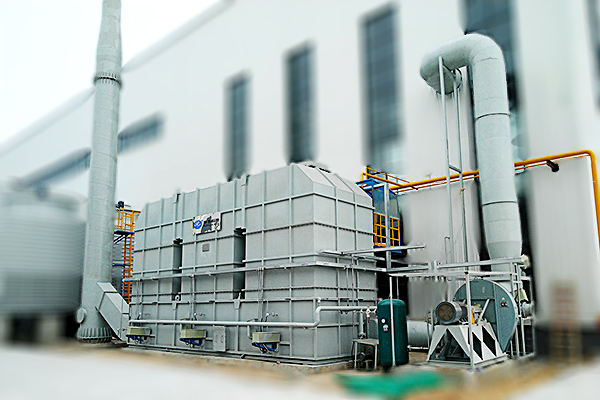
Whichever technology you select, front-end gas conditioning extends equipment lifespan. For RCO, a high-efficiency filter (≥5 micron) removes particulates. For RTO, acid gas scrubbers help when processing halogenated VOCs. Furthermore, modern PLC-based controls with variable frequency drives (VFDs) on the main fan reduce electricity use during low production periods.
Integrating VOC Abatement with Full-Site Emission Control
Often batch chemical plants have multiple emission sources: dust from raw material handling, acid gases from reactors, and VOCs from solvent evaporation. An isolated VOC oxidizer may underperform if particulate loads are not first controlled by efficient dust collection. Here, combining a pulse jet bag filter or cartridge dust collector upstream of an RCO/RTO protects the heat exchange media and catalyst.
Experienced providers design integrated systems. As a manufacturer, Zhengzhou Puhua Technology supplies complete solutions including RCO catalytic combustion equipment, RTO equipment, baghouse dust collectors, wet scrubbers for acid gases, and pneumatic conveying systems for bulk powders. Their team analyzes batch plant process patterns before recommending either thermal or catalytic oxidation.
Conclusion: A Decision Flow for Your Batch Facility
List all VOCs and their max/min concentrations, plus any silicon/sulfur/halogen presence.
Calculate average annual fuel cost for RTO vs RCO based on local natural gas price and expected run hours.
Check your DRE requirement from local environmental permits.
If no catalyst poisons and DRE ≤98%, choose RCO for energy savings.
If catalyst poisons exist OR DRE >98% is mandatory, choose RTO.
Both systems, when properly sized and maintained, provide years of reliable VOC destruction. The optimal choice for a batch chemical plant depends on your specific product cyclicity and exhaust composition. Consult with an engineering provider who can perform a total lifetime cost analysis, not just equipment supply.
Related Articles
-
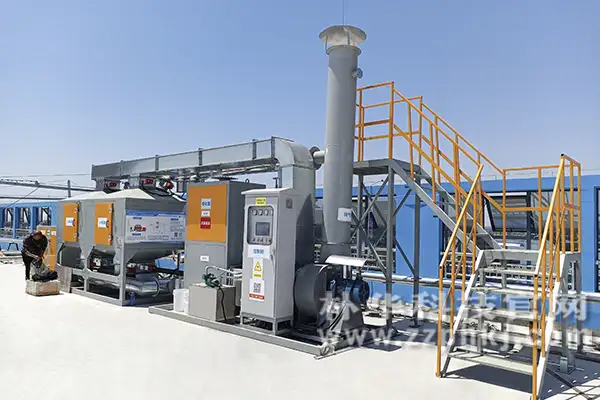
Zeolite Fixed Bed+Catalytic Combustion Equipment (RCO)
[list:visits]
-
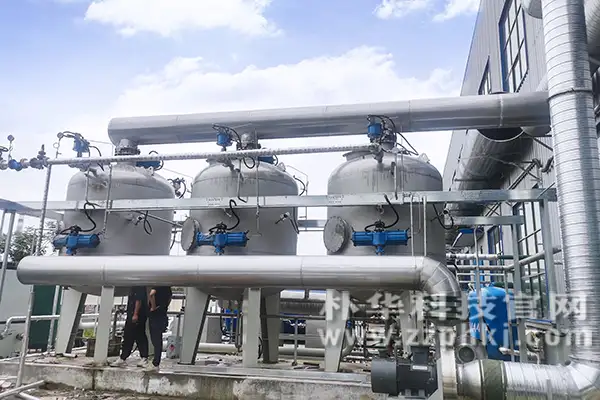
Resin desorption+condensation recovery equipment
[list:visits]
-
Cooking oil fume purifier
[list:visits]
Subscribe to Our Newsletter
Stay updated with the latest news and insights from Puhua Tech.