
Overlooked Corrosion Risks of Chlorine-Containing Exhaust Gases in RTO Equipment Selection
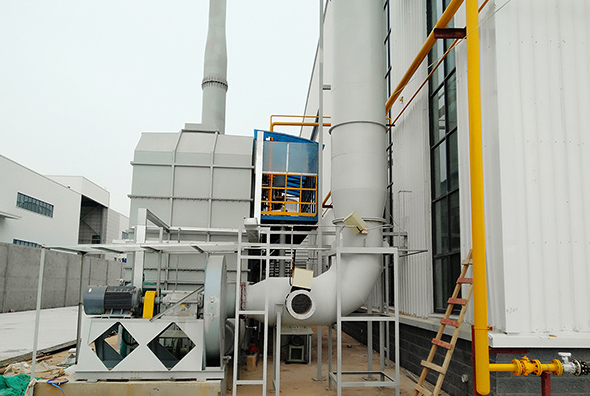
When selecting a Regenerative Thermal Oxidizer (RTO) for industrial exhaust treatment, many engineering teams focus primarily on destruction efficiency, energy consumption, and upfront investment. However, one critical factor is frequently underestimated: the highly corrosive nature of chlorine-containing exhaust gases. Ignoring this can lead to premature equipment failure, unplanned downtime, and significant financial losses. This article provides a practical guide to understanding and mitigating these risks, ensuring a reliable and long-lasting RTO system.
Why Chlorine-Containing Gases Are Particularly Dangerous for RTO Systems
Chlorine and its compounds (such as hydrogen chloride HCl and chlorine gas Cl₂) are present in many industrial processes, including chemical synthesis, pharmaceutical production, pesticide manufacturing, and plastic processing. When these gases are oxidized in an RTO at high temperatures (typically 750-950°C), they form hydrochloric acid and, under certain conditions, even trace amounts of aggressive chlorinated organic acids. This creates a highly corrosive acidic condensate, especially during startup, shutdown, or fluctuating temperature conditions.
The main corrosion mechanisms include:
Low-temperature dew point corrosion: When flue gas temperature falls below the acid dew point (which can be as high as 130-160°C for HCl), moisture and acid condense on metal surfaces, leading to rapid pitting and uniform corrosion.
High-temperature chlorine attack: At elevated temperatures, chlorine can directly react with stainless steel and even some nickel alloys, causing intergranular corrosion and metal dusting.
Chloride-induced stress corrosion cracking (SCC): Tensile stresses combined with chlorides and elevated temperatures can cause sudden cracking in susceptible alloys like austenitic stainless steels (304, 316).
Key Selection Mistakes to Avoid for Chlorine-Laden Exhaust
Many procurement specifications fail to account for the specific material requirements needed for chlorinated exhaust streams. Below are the most common oversights:
| Mistake Area | Typical Consequence | Recommended Solution |
|---|---|---|
| Using standard 304 stainless steel for the combustion chamber and bypass duct | Severe pitting and SCC within 12-24 months | Select higher-grade alloys (e.g., 316L, 904L, or nickel-based alloys like Hastelloy C-276) for wetted sections |
| Neglecting the cold section (inlet manifold, cold face of the poppet valves) | Acid condensation leads to valve sticking and shell perforation | Apply corrosion-resistant linings (e.g., PTFE, glass flake) or use a pre-concentration system to keep temperatures above dew point |
| Inadequate insulation and temperature control during idle periods | Downtime condensation and acid pooling at low points | Implement a hot-air purge or maintain a minimum stand-by temperature (e.g., 120°C surface temperature) |
How Zhengzhou Puhua Technology Approaches Corrosion-Resistant RTO Design
Zhengzhou Puhua Technology has extensive experience in engineering RTO equipment specifically for challenging halogenated exhaust streams. As a recognized manufacturer in the field of industrial pollution control, the company provides integrated solutions that address not only VOCs organic but also the unique corrosion challenges posed by chlorine and other halogens.
Their design philosophy for chlorine-laden applications includes:
Materials selection based on rigorous acid dew point calculations, not generic assumptions.
Utilization of anti-corrosion coatings and acid-resistant brick linings in critical zones.
Optimized valve sealing and drainage systems to prevent acid accumulation.
Integration with upstream dry scrubbers or quench towers where HCl concentrations exceed the RTO’s material tolerance.
Beyond RTO units, the company’s portfolio includes complementary systems such as baghouse dust collectors , desulfurization towers , denitrification equipment , photocatalytic oxidation units , and complete wastewater treatment solutions, allowing for holistic plant-wide emission control.
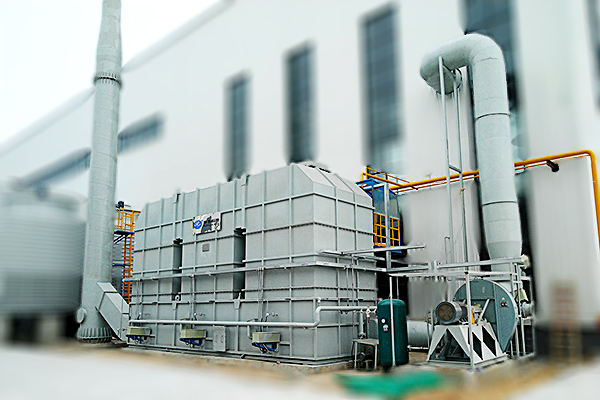
Practical Steps for Proper RTO Selection with Chlorine Risks
To ensure your RTO project succeeds in a chlorine-containing environment, follow this structured approach:
Conduct a complete exhaust gas analysis. Do not rely on average values. Identify peak and continuous concentrations of Cl₂, HCl, and other halogens, along with moisture content and temperature variability.
Determine the acid dew point accurately. Use validated methods (e.g., the A.G. Okkes equation or Müller curves) to set minimum surface temperature requirements.
Select appropriate construction materials. For parts in direct contact with hot chlorinated gases, consider:
316L stainless steel as a minimum (preferably 904L for moderate HCl levels).
Alloy C-276 or C-22 for severe applications (e.g., >500 ppm HCl or Cl₂).
Ceramic or PTFE liners for low-temperature sections.
Design for controlled cooldown and start-up. Install bypass heating or forced air purging to prevent condensation during stand-by modes.
Incorporate regular inspection ports. Visual access to welds and flanges in the cold region helps detect early corrosion signs.
Real-World Maintenance Considerations
Even with a properly selected RTO, routine maintenance becomes more critical when processing chlorinated exhaust. A proactive maintenance plan should include:
Monthly ultrasonic thickness testing on vulnerable duct sections.
Quarterly borescope inspection of the ceramic heat exchange media for chloride salt buildup.
Weekly drain checks on acid knockout pots (if installed).
Annual internal coating reapplications for areas prone to mechanical wear.
Conclusion
Selecting an RTO for chlorine-containing exhaust is not simply a matter of scaling up a standard design. The hidden costs of corrosion—ranging from unplanned shutdowns to catastrophic vessel failure—far outweigh the incremental investment in robust materials and design features. By understanding the corrosion mechanisms, avoiding common material mistakes, and working with experienced partners like Zhengzhou Puhua Technology, plant owners and environmental managers can achieve reliable, long-term compliance with significantly lower total cost of ownership.
Remember: In halogenated exhaust treatment, corrosion resistance is not an upgrade; it is a fundamental requirement. Evaluate your supplier’s track record in handling such applications, and always request case studies or material test reports specific to chlorine-laden conditions before finalizing your RTO selection.
Related Articles
-
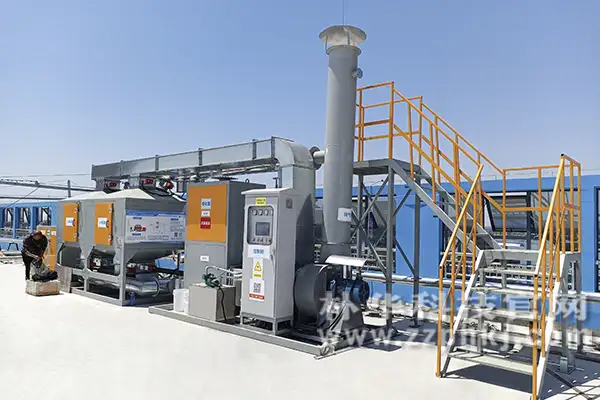
Zeolite Fixed Bed+Catalytic Combustion Equipment (RCO)
[list:visits]
-
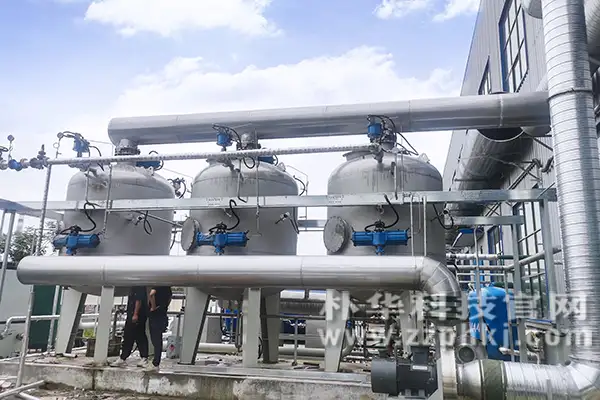
Resin desorption+condensation recovery equipment
[list:visits]
-
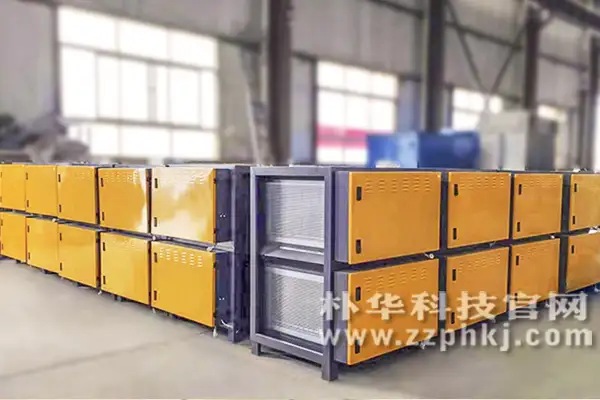
Cooking oil fume purifier
[list:visits]
Subscribe to Our Newsletter
Stay updated with the latest news and insights from Puhua Tech.