
Is RCO Combustion Equipment Suitable for Sulfur-Containing Exhaust Gases? Principle Limitations Expl
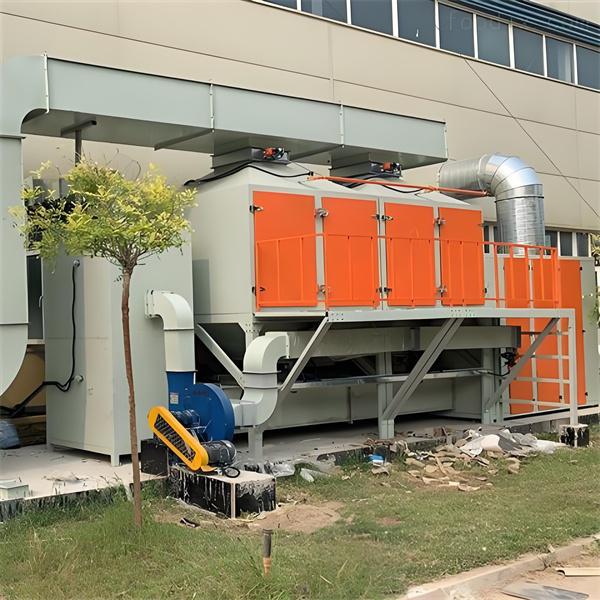
If you are managing industrial exhaust streams that contain sulfur compounds—such as hydrogen sulfide (H₂S), carbonyl sulfide (COS), or organic sulfides—you may be evaluating whether a Regenerative Catalytic Oxidizer (RCO) is a viable solution. While RCO systems are highly effective for volatile organic compound (VOC) destruction and odor control, applying them to sulfur-laden gases introduces unique technical challenges. This article provides a clear, principle-based analysis to help you determine if RCO combustion equipment is appropriate for your specific sulfur-containing exhaust.
Understanding RCO Technology Basics
An RCO unit combines catalytic oxidation with regenerative heat recovery. The exhaust gas is preheated through a ceramic media bed, then passes through a catalyst bed where VOCs and other combustible pollutants oxidize at lower temperatures (typically 300-450°C) compared to thermal oxidizers. The heat released is then captured and reused, providing energy efficiency. However, the presence of sulfur significantly alters the chemical environment inside the RCO. Zhengzhou Puhua Technology, a manufacturer with experience in designing RCO catalytic combustion equipment, emphasizes that feedstock analysis must include sulfur content before selecting any oxidizer type.
Key Principles: Why Sulfur Matters in RCO Systems
When sulfur-containing compounds enter an RCO, three primary effects can degrade performance and damage components. Understanding these limitations is essential for proper technology selection.
Catalyst poisoning: Sulfur compounds can react with the active metal sites (typically platinum, palladium, or base metal oxides) on the catalyst surface, forming stable metal sulfates. This process reduces catalytic activity over time, raising the required operating temperature and lowering destruction efficiency.
Acid gas formation: Oxidation of sulfur compounds produces sulfur dioxide (SO₂) and, under certain conditions, sulfur trioxide (SO₃). SO₃ combines with water vapor to form sulfuric acid (H₂SO₄), which is highly corrosive to metal components, heat exchangers, and the catalyst substrate itself.
Ammonium salt deposition: If the exhaust also contains ammonia or nitrogen compounds, ammonium bisulfate (ABS) can form. ABS is a sticky, corrosive deposit that fouls heat exchange surfaces and the catalyst, leading to pressure drop increases and thermal efficiency loss.
When Is RCO Equipment Still Considered for Sulfur-Containing Gases?
While RCO systems have limitations, certain conditions make their use technically feasible. The following table summarizes key decision parameters.
| Exhaust Characteristic | RCO Suitability | Mitigation Measures |
|---|---|---|
| Total sulfur (as S) < 50 mg/Nm³ | Potentially acceptable with poison-resistant catalyst | Regular catalyst testing, higher precious metal loading |
| Total sulfur 50-200 mg/Nm³ | Limited – requires pretreatment | Wet scrubbing or dry adsorption upstream |
| Total sulfur > 200 mg/Nm³ | Generally not recommended | Consider RTO or thermal oxidizer + scrubber |
| Presence of ammonia + sulfur | High risk of ABS fouling | Temperature control > ABS dew point (typically >220°C) |
Practical Steps to Assess RCO for Your Sulfur-Containing Stream
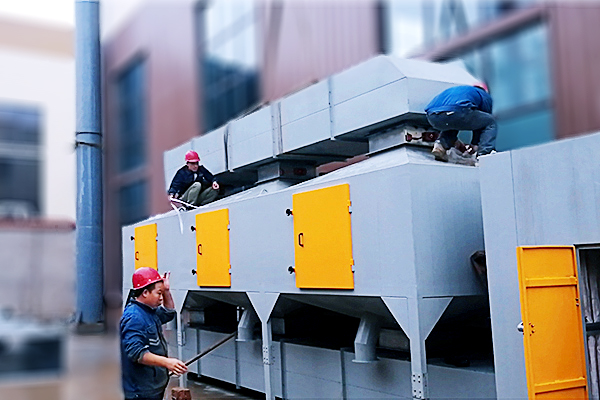
Zhengzhou Puhua Technology recommends a structured evaluation process before investing in RCO catalytic combustion equipment for sulfur-laden applications. Their approach includes the following steps.
Complete exhaust composition analysis: Measure total sulfur, sulfur species (H₂S, SO₂, mercaptans, etc.), humidity, and any halogen or nitrogen compounds.
Bench-scale catalyst testing: Expose small catalyst samples to real or simulated exhaust gas under typical operating temperatures (300-400°C) for at least 100 hours. Measure conversion degradation and sulfate accumulation.
Corrosion risk assessment: Evaluate acid dew points and specify appropriate materials (e.g., 316L stainless steel, Hastelloy) for downstream components.
Pretreatment evaluation: Determine if a packed bed scrubber, activated carbon filter, or other sulfur removal device is more cost-effective than accepting lower catalyst life.
Lifecycle cost analysis: Compare higher catalyst replacement frequency against alternative technologies like RTO or direct-fired thermal oxidizers followed by wet scrubbing.
Alternatives When RCO Is Not Suitable
If your sulfur concentration exceeds practical limits for RCO operation, several other equipment configurations are used in the industry. Zhengzhou Puhua Technology provides a range of complementary solutions including RTO equipment, VOC sabatement equipment, and customized pretreatment systems. The most common alternatives for high-sulfur exhaust are listed below.
Regenerative Thermal Oxidizer (RTO): Operates above 800°C without a catalyst, avoiding catalyst poisoning. However, SO₂ emissions may require downstream alkaline scrubbing.
Wet scrubber + RCO: Remove sulfur compounds before catalytic oxidation. This is effective when both sulfur and VOCs are present, but adds capital and operating costs.
Thermal oxidizer with quench and scrubber: Suitable for very high sulfur loads, though with higher energy use than regenerative designs.
Best Practices for Low-to-Moderate Sulfur RCO Applications
For exhaust streams with total sulfur below 50 mg/Nm³, an RCO can operate reliably if you follow specific design and maintenance protocols. Based on field data from industrial installations, these practices extend catalyst life.
Select noble-metal catalysts with sulfur-tolerant promoters (e.g., palladium-rhodium formulations).
Maintain operating temperature at least 30°C above the sulfur dew point to prevent acid condensation.
Implement quarterly catalyst activity testing and pressure drop monitoring.
Use pre-filters to remove particulate-bound sulfur or metal dust that could accelerate poisoning.
Ensure uniform flow distribution to prevent cold spots where ammonium salts or acids might collect.
Conclusion: Making an Informed RCO Selection
RCO combustion equipment can be suitable for sulfur-containing exhaust only within specific concentration limits and with appropriate engineering safeguards. When total sulfur remains low (below 50 mg/Nm³) and no ammonia is present, an RCO with poison-resistant catalyst offers high VOC destruction and energy efficiency. However, higher sulfur loads typically lead to rapid catalyst deactivation and corrosion, making alternative technologies more practical.
Zhengzhou Puhua Technology provides technical evaluation services and customized designs for RCO catalytic combustion devices, RTO equipment, and integrated pretreatment systems. Their product range includes Baghouse filter,FGD tower,DeNOx unit,Pneumatic conveyor, and more—allowing a holistic approach to complex exhaust streams. For sulfur-bearing applications, an upfront analysis by experienced engineers is the most direct path to a reliable, cost-effective solution.
Related Articles
-
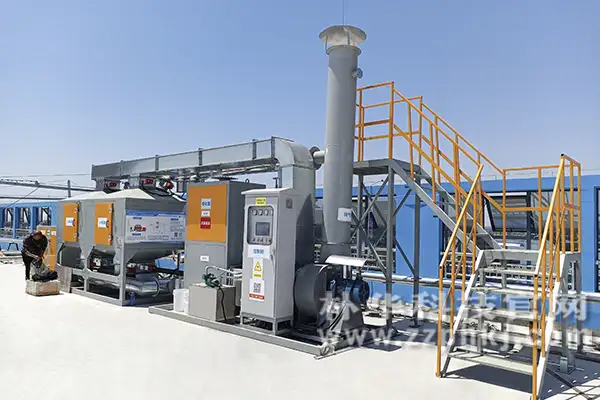
Zeolite Fixed Bed+Catalytic Combustion Equipment (RCO)
[list:visits]
-
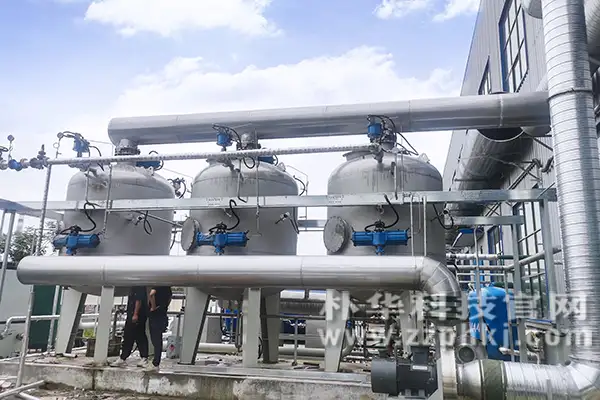
Resin desorption+condensation recovery equipment
[list:visits]
-
Cooking oil fume purifier
[list:visits]
Subscribe to Our Newsletter
Stay updated with the latest news and insights from Puhua Tech.